
Module 1: We Love Our Planet
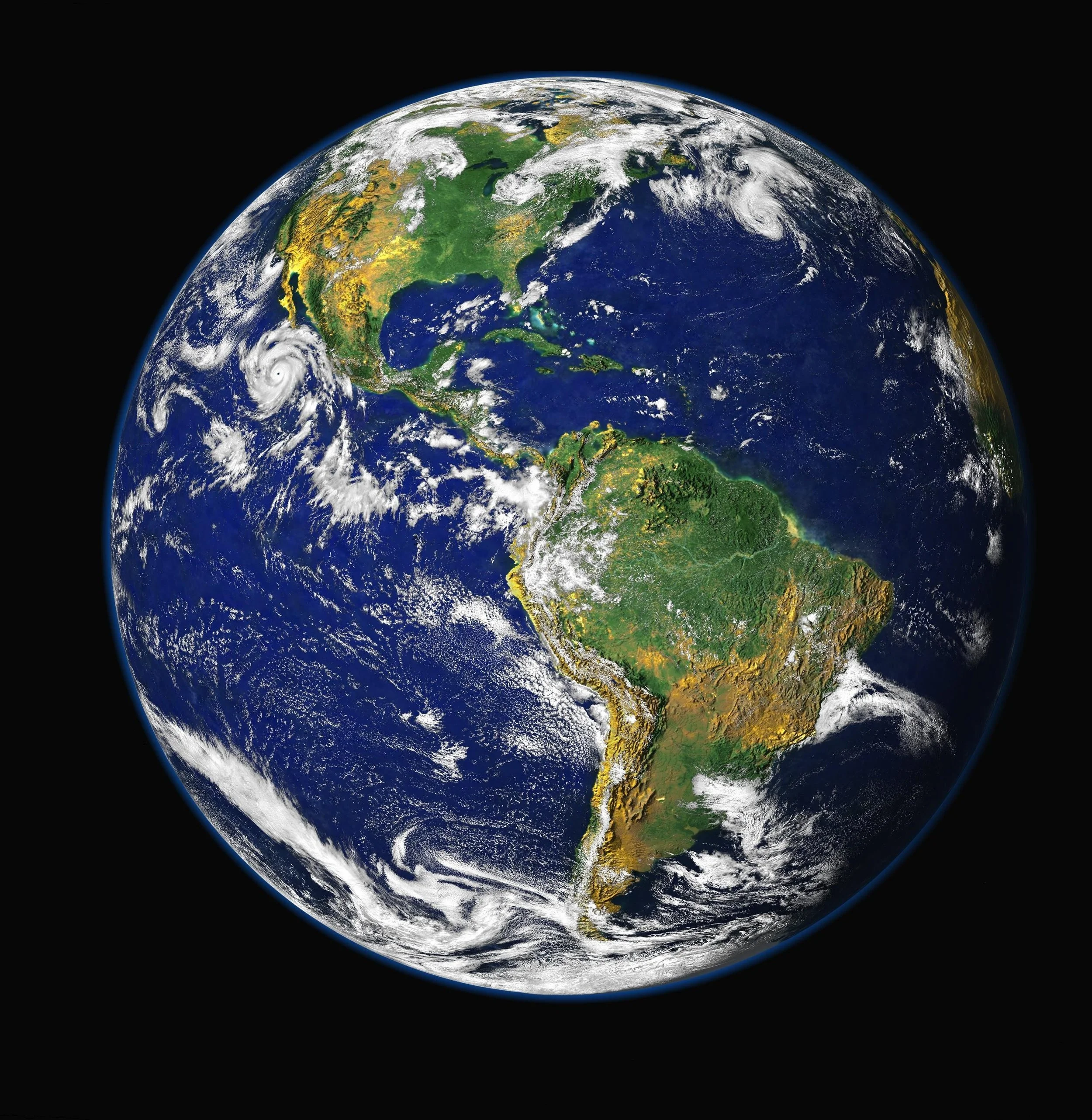
Module 1:
Rather than
teaching
climate change,
we explore an appreciation for our planet that gives us all we need
to live

module 1: our planet
overview
Objective: to provide a foundational understanding of the uniqueness of planet Earth and its ability to sustain life as we know it
Vocabulary: Earth, natural element, climate zone, atmosphere
Repeated Learning Activity: Our Solar System
Lesson Activities:
Discovery/Literacy: Colors of Earth
Science: Natural Element Jars; Mr. John & the Polar Bear
Movement: Land Water Air
Hands-On: Climate Zones
Creative/Literacy: Love Note to Earth
Teachers in the Classroom Activities:
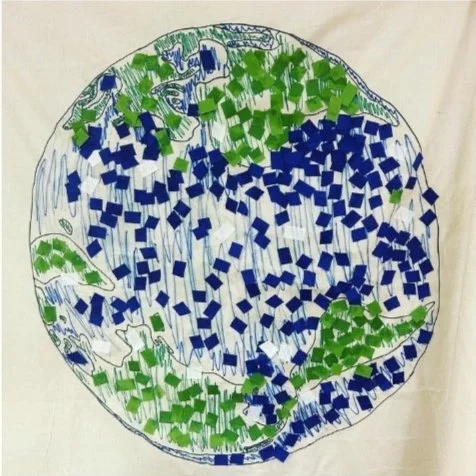
Creative: Earth Friends Pendants; Classroom Earth Mosaic
Science: Weather Report; Melting Ice Cube Race
Discovery/Literacy: Love Note to Earth Storytime
Student Learning Standards and Additional Lessons, Materials & Activities by State
New Jersey
Included Materials:
Book: Here We Are
Photo Book: We Love Our Planet
Classroom Earth PDFs (traceable graphic)
Pollinator Patch Planting Kit
Optional Materials:
Crazy Crayons
Animal Figurines
School Integrations
Classroom Earth Mosaics
Community Event: Animal Friends & Family

What else in Module 1?
-
Time to go outside and check out the fall garden.
Harvest fruits and vegetables from the fall garden
Cut back plants and weed as necessary
Prep and sow anything that is replacing a lawn, such as native meadow grasses or wildflowers
This is great opportunity to start a meadow preparation. We have Prairie Moon’s Pollinator Introduction available in the Earth Friends store.
Plant a few perennial plants (berry bushes or native flowers and herbs) that grow back every year and play Dirt, Dirt, Dig!
Children stand in a circle. Teachers or adults will have 2 trowels or small shovels. In the same format as Duck, Duck, Goose, choose one child to walk around and say “Dirt . . . Dirt . . . Dirt . . .” and when it’s time to choose a friend, say “Dig!” Now that child will take a trowel and start to dig a hole for the plant. Continue until everyone has had a turn and there is a sufficient hole for the plant.
-
It’s fall!
Let the children walk around and observe changes in the trees and plants.
Gather leaves from the ground and identify the trees and plants.
Make a pinecone birdfeeder: Cover a pinecone in peanut butter, roll it in birdseed, and hang it up.
What are the sounds of fall? Let the children share sounds nature is making. Everyone has to be very quiet until it’s time to share what you hear.
Create a Fall Nature Mandala.
Materials Needed: A piece of chalk; a large, flat space (parking lots or sidewalks work well)
Have a teacher draw a spiral with chalk on a smooth surface, about 4–5 ft. in diameter. Ask the children to go collect anything they can find in nature. Explain that whatever they want to bring back cannot cause harm to plants or animal homes. Rocks, sticks, flowers, leaves, a fallen bird’s nest, pieces of a cracked egg, nuts, seeds, feathers, pinecones, etc. This is also a good time to explain how we can pick a few flowers from a plant we see, but we don’t need to pick all the flowers. As the children return with their treasures, show them how to place the items on the chalk lines.
Over time, you will all see a beautiful, spiral “mandala” appear. Once it’s filled in—when you can’t see any chalk lines—have everyone sit or stand around the Nature Mandala and talk about what it looks like and what everyone contributed.
Take pictures to show parents, because wind or rain will erase the mandala, and that’s okay.
-
Welcome a classroom animal. Depending on the school or center environment, choose the best kind of animal friend to invite, which will allow the children to watch the interactions and growth of animals in their habitats throughout the year.
Here are a few animals that children can observe in their habitats that don’t take as much work as a turtle, rat, or hamster might.
Put up a bird house. Either in the outdoor space or connected to a window for closer, indoor observation. Talk about what the birds need to live.
Bring an ant farm into the classroom or school, which allows the children to see how an ant colony works together to live and eat.
Set up an oyster tank to introduce children to the life cycle of oysters and the job they love to do—clean the water.
If you want to expand what you are doing with Earth Friends, here are some suggested activities that support time in nature, time in the garden, and sustainable actions for your community.