
Module 4: We Love Our Energy
Module 4:
Rather than teaching
pollution,
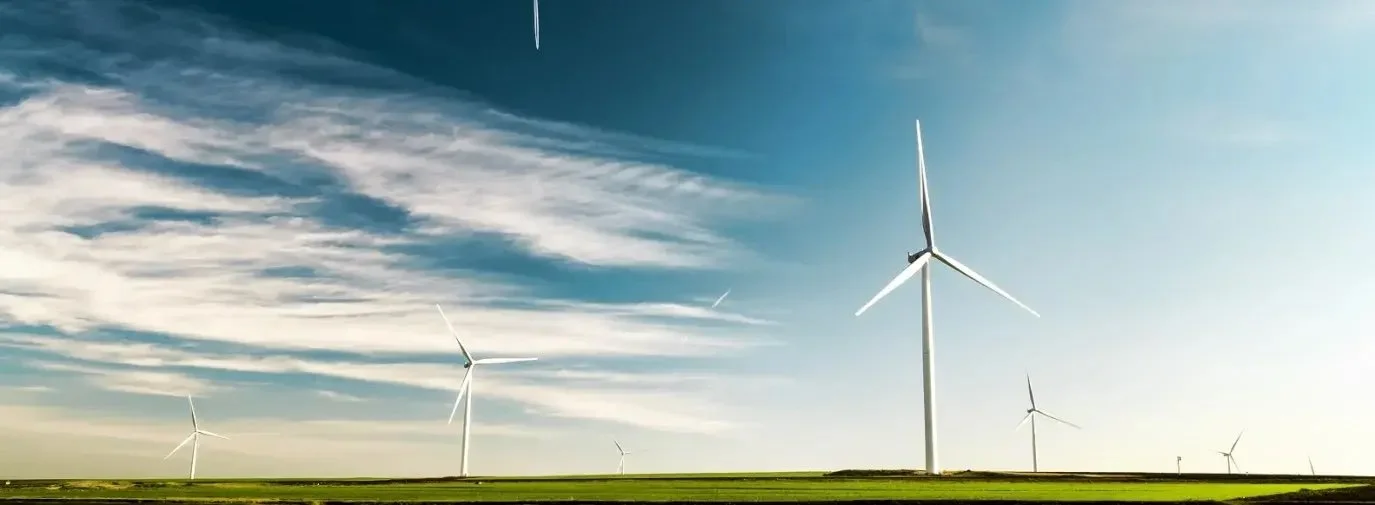
we explore the abundance of Earth’s renewable energy
to move,
make, and create
module 4: our energy
overview
Objective: to provide a foundational understanding of the renewable and nonrenewable resources that Earth provides to give us energy to move, make, and create
Vocabulary: energy, power, renewable, pollution
Repeated Learning Activity: Earth’s Energies
Lesson Activities:
Hands-on: Make It Fly
Movement/Literacy: The Three Sisters Dance
Science/Literacy: Power Tower; Water Wonder
Movement: Jumping Jacks
Hands-On: Mining for Treasures
Teachers in the Classroom Activities:
Science: Bending Water
Discovery: Energy Detectives
Creative: Recycled Pinwheels; Watch Our Water Wheel
Hands-On: Clean Up an Oil Spill
Student Learning Standards and Additional Lessons, Materials & Activities by State
New Jersey
Included Materials:
Book: Earth Hour
Photo Book: We Love Our Energy
Optional Supplies:
Rain Barrel
No Idling Sign
School Integrations:
Conserve energy by:
turning off lights and relying on sunlight
using less water and reusing water to water plants
using reusable versus disposable materials for snacks and lunches and classroom and art supplies

What else in Module 4?
If you want to expand what you are doing with Earth Friends, here are some suggested activities that support time in nature, time in the garden, and sustainable actions for your community.
-
Time in the Garden
Let’s plant!
Host a garden party with families to help the children plant all the seeds they have been growing. (You can also work with a market gardener or greenhouse in the community to make sure you have backup seedlings to fill the garden).
Have the children visit the garden as often as they can to see the plants, water, and weeds (if needed).
Show the children how the rain barrels work and how harvested rainwater will help water the garden.
Observe the different insects that help the plants grow. Where are our Soil Friends? Where are our Flying Friends?
-
Time in Nature
It’s officially spring, and all kinds of plants are popping up!
Let the children observe what is happening in nature this time of year.
Can you count the plants you see? What color are they? Which one has flowers first?
Listen for the animals. Do you hear a bee buzz, a bird chirp, a rabbit scurry?
Create a Spring Nature Mandala.
Materials Needed: A piece of chalk; a large, flat space (parking lots or sidewalks work well)
Have a teacher draw a spiral with chalk on a smooth surface, about 4–5 ft. in diameter. Ask the children to go collect anything they can find in nature. Explain that whatever they want to bring back cannot cause harm to plants or animal homes. Rocks, sticks, flowers, leaves, a fallen bird’s nest, pieces of a cracked egg, nuts, seeds, feathers, pinecones, etc. This is also a good time to explain how we can pick a few flowers from a plant we see, but we don’t need to pick all the flowers. As the children return with their treasures, show them how to place the items on the chalk lines.
Over time, you will all see a beautiful, spiral “mandala” appear. Once it’s filled in—when you can’t see any chalk lines—have everyone sit or stand around the Nature Mandala and talk about what it looks like and what everyone contributed.
Take pictures to show parents, because wind or rain will erase the mandala, and that’s okay.
Do you remember the mandala from the winter? How is this one different?
-
Choose a disposable product that you can replace with a reusable product, such as cleaning towels, napkins, plastic bags.
Install refillable drinking stations and teach children to use and refill stainless steel water bottles.
Reduce lawn care and outdoor maintenance with Earth-friendly landscaping and gardens.
Shift to a renewable energy source or install one, such as solar panels.
Install rain barrels or a rain catchment system.