
Module 2: We Love Our Neighbors
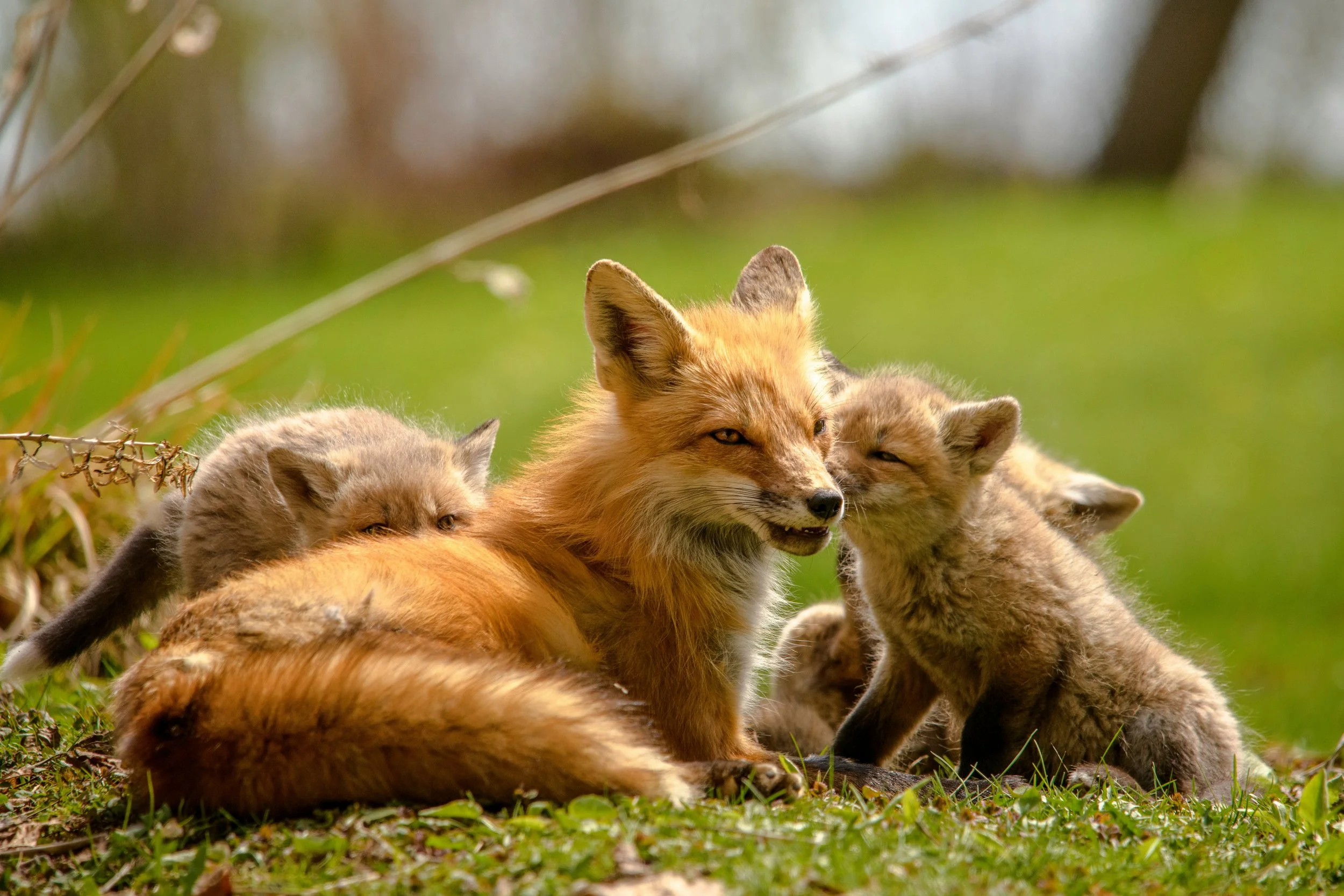
Module 2:
Rather than
teaching
biodiversity loss,
we explore the many unique plants and animals
we share
our home with

module 2: our neighbors
overview
Objective: to provide a foundational understanding of a diverse variety of plants, animals, and life on Earth and our need to share Earth with all living things
Vocabulary: habitat, shelter, environment, biodiversity
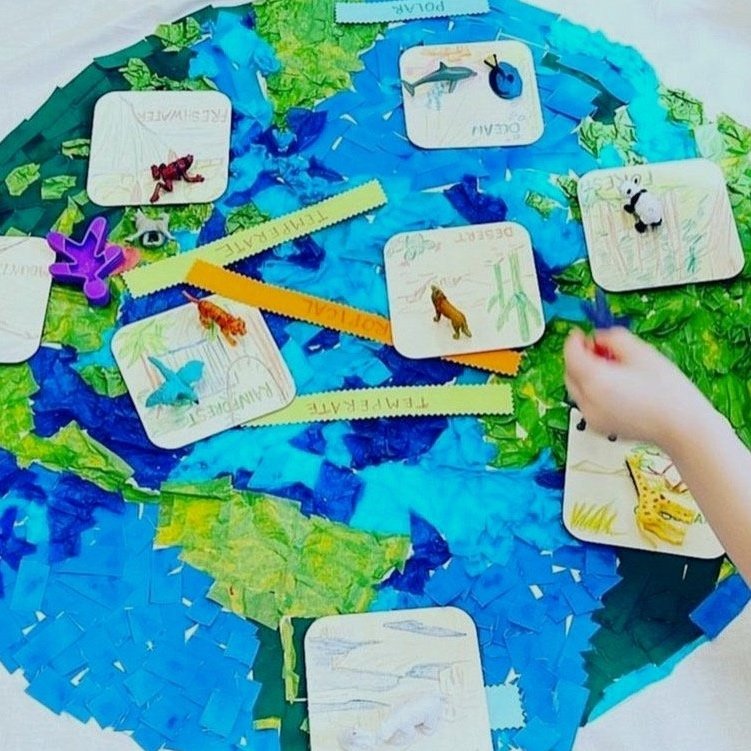
Repeated Learning Activity: 8 Animal Habitats
Lesson Activities:
Discovery/Literacy: Meet Our Animal Friends
Hands-On: Where Animals Live
Science: What’s in the Water?
Discovery/Literacy: Safe Shelter
Creative/Literacy: Drawing Our Differences
Teachers in the Classroom Activities:
Creative: Animals; Biodiversity Art
Discovery/Literacy: Care For Every Neighbor; Habitats All Over Earth
Science: Helping My Animal Live
Student Learning Standards and Additional Lessons, Materials & Activities by State
New Jersey
Included Materials:
Book: Maple & Rosemary
Photo Book: We Love Our Neighbors
8 Habitat Illustrations (link to PDFs)
Optional Materials:
animal figurines or animal photos
School Integrations
Adopt a National Wildlife Federation Animal Friend.
Take a field trip to visit local animals and habitats.
Plant a native pollinator garden or a meadow.
Welcome a classroom pet.

What else in Module 2?
If you want to expand what you are doing with Earth Friends, here are some suggested activities that support time in nature, time in the garden, and sustainable actions for your community.
-
It’s cold outside, but if you have a garden there is still a lot to do!
Clear off garden beds or spaces on the land for planting next year. Have the children clear out dead plants within safety and developmental reason. They can use their hands to pull them out and make piles for compost or disposal with the help of adults.
Soon the seeds will be starting, and so you can make a plan for where to plant vegetables and fruits or make any changes to the garden or space for the following year. Let the children talk about what they want to plant and where they want to see it grow. You can talk about companion planting, such as The Three Sisters (corn, beans, and squash) or how tomatoes grow better beside marigolds.
-
It’s winter. Brr…
Let the children walk around and observe what nature is like in winter.
Is there snow? Make forts, angels, and snow people!
Make a Winter Nature Mandala.
Materials Needed: A piece of chalk; a large, flat space (parking lots or sidewalks work well)
Have a teacher draw a spiral with chalk on a smooth surface, about 4–5 ft. in diameter. Ask the children to go collect anything they can find in nature. Explain that whatever they want to bring back cannot cause harm to plants or animal homes. Rocks, sticks, flowers, leaves, a fallen bird’s nest, pieces of a cracked egg, nuts, seeds, feathers, pinecones, etc. This is also a good time to explain how we can pick a few flowers from a plant we see, but we don’t need to pick all the flowers. As the children return with their treasures, show them how to place the items on the chalk lines.
Over time, you will all see a beautiful, spiral “mandala” appear. Once it’s filled in—when you can’t see any chalk lines—have everyone sit or stand around the Nature Mandala and talk about what it looks like and what everyone contributed.
Take pictures to show parents, because wind or rain will erase the mandala, and that’s okay.
Do you remember the mandala from the fall? How is this one different?
-
Leave your leaves! Leaf litter is a home for many insects and small animals over winter, and it acts as a nutrient-rich blanket that creates healthy soil for grasses, flowers, fruits, and veggies to grow.
In the winter months, consider ways you can keep children warm in the classroom that does not include turning up the heat above 72 degrees. Encourage parents to dress or pack sweaters, hats, anything warm.
Do a winter coat, glove, hat drive. You can find a community or organization that is accepting preloved winter gear and also help families offload clothes that are too small.