
Module 5: We Love Our Things
Module 5:
Rather than teaching
over consumption,
we explore the
value of things
that humans
can create

module 4: our energy
overview
Objective: to provide a foundational understanding of where we get the materials to make our things and where our things go when we are done using them
Vocabulary: material, natural element, respect, impact
Lesson Activities:
Discovery: Find a Thing
Science: Natural Resources
Hands-on: Clean Repair Put Away Share
Math: Recycle Compost Reuse Landfill
Creative: Last Marker Box
Repeated Learning Activity: Materials Make Things
Teachers in the Classroom Activities:
Creative: What I Made
Math: Material Scavenger Hunt
Discovery: The Respect Rules
Math: Recycling Compost Reuse Landfill
Discovery: The History of Our Toys
Student Learning Standards and Additional Lessons, Materials & Activities by State
New Jersey
Included Materials:
Book: Little Blue Chair
Photo Book: We Love Our Things
Optional Materials:
Trashie Bags
School Integration
Last Marker Box
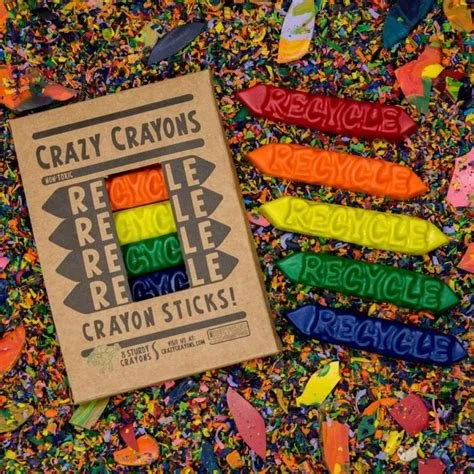
Crayon Recycling

What else in Module 5?
If you want to expand what you are doing with Earth Friends, here are some suggested activities that support time in nature, time in the garden, and sustainable actions for your community.
-
We’re in the full swing of spring, and the first harvest may be ready.
Visit the garden as much as possible with the children to maintain the plants; water and weed (as necessary).
Find out what you can harvest and teach the children how to properly pick vegetables and fruits and cut flowers.
Let them taste the foods they pick. Is it ripe or does it need more time? If you have a succession garden, then it’s time to plan what plants will go in next and what will need to be cleared out.
-
Observe what is happening in nature this time of year, as it’s getting warmer and the days longer.Check-in on the meadow plants or flowers. What colors do you see? What is blooming? Can you make a flower bouquet?
What are the animals doing? The insects? How many animal habitats can you count?
Create a Spring Nature Mandala.
Materials Needed: A piece of chalk; a large, flat space (parking lots or sidewalks work well)
Have a teacher draw a spiral with chalk on a smooth surface, about 4–5 ft. in diameter. Ask the children to go collect anything they can find in nature. Explain that whatever they want to bring back cannot cause harm to plants or animal homes. Rocks, sticks, flowers, leaves, a fallen bird’s nest, pieces of a cracked egg, nuts, seeds, feathers, pinecones, etc. This is also a good time to explain how we can pick a few flowers from a plant we see, but we don’t need to pick all the flowers. As the children return with their treasures, show them how to place the items on the chalk lines.
Over time, you will all see a beautiful, spiral “mandala” appear. Once it’s filled in—when you can’t see any chalk lines—have everyone sit or stand around the Nature Mandala and talk about what it looks like and what everyone contributed.
Take pictures to show parents, because wind or rain will erase the mandala, and that’s okay.
Do you remember the last mandala we made? How is this one different?
-
Hold a clothing drive for any of the following: shoes, clothes, toys, books. Then you can find a place happy to received these donations.
Set up an ongoing crayon recycling drive, or go a step further and set up crayon recycling drives at the restaurants most frequented by family in your community.
Plan a field trip to a landfill or recycling center. Contact your local municipal waste organization for information.